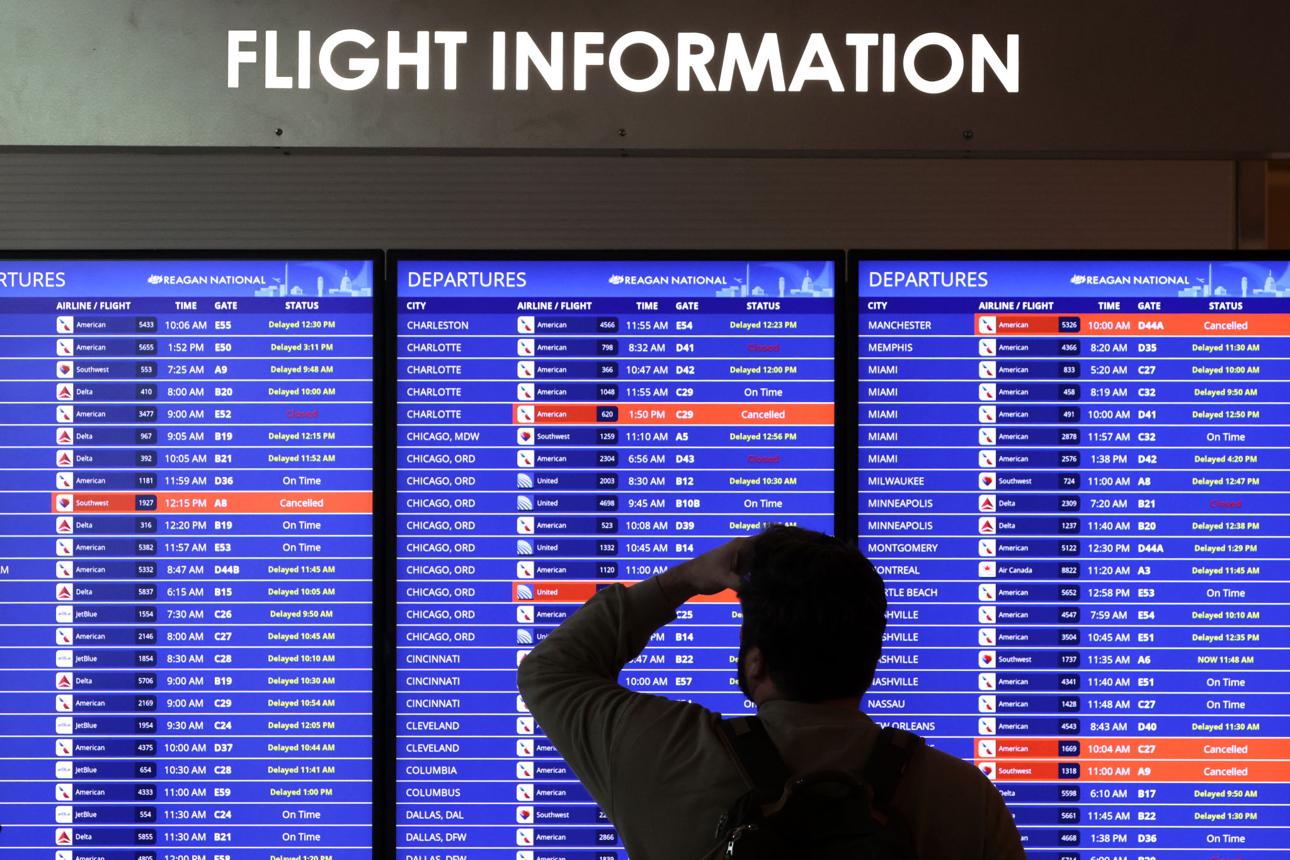
Thousands of travelers across the United States faced flight disruptions on Friday, November 13, after the Federal Aviation Administration (FAA) ordered a nationwide ground stop following a telecommunications outage. The event raised a question for passengers and aviation observers: was the US flight grounding caused by a cyberattack?
Early public statements did not indicate that the outage was a deliberate attack. Homeland Security Secretary Markwayne Mullin described it as a telecommunications outage and said there was no indication of a “nefarious attack.” FAA technicians were investigating the technical cause.
Here is what officials and reporting have confirmed, what remains unknown, and how broader cybersecurity concerns relate to this incident.
Why Were US Flights Grounded on November 13?
The nationwide disruption began after a telecommunications outage affected the FAA’s air traffic control communications network. On Friday afternoon, the FAA ordered a nationwide ground stop, requiring airports to hold departing aircraft while technicians investigated.
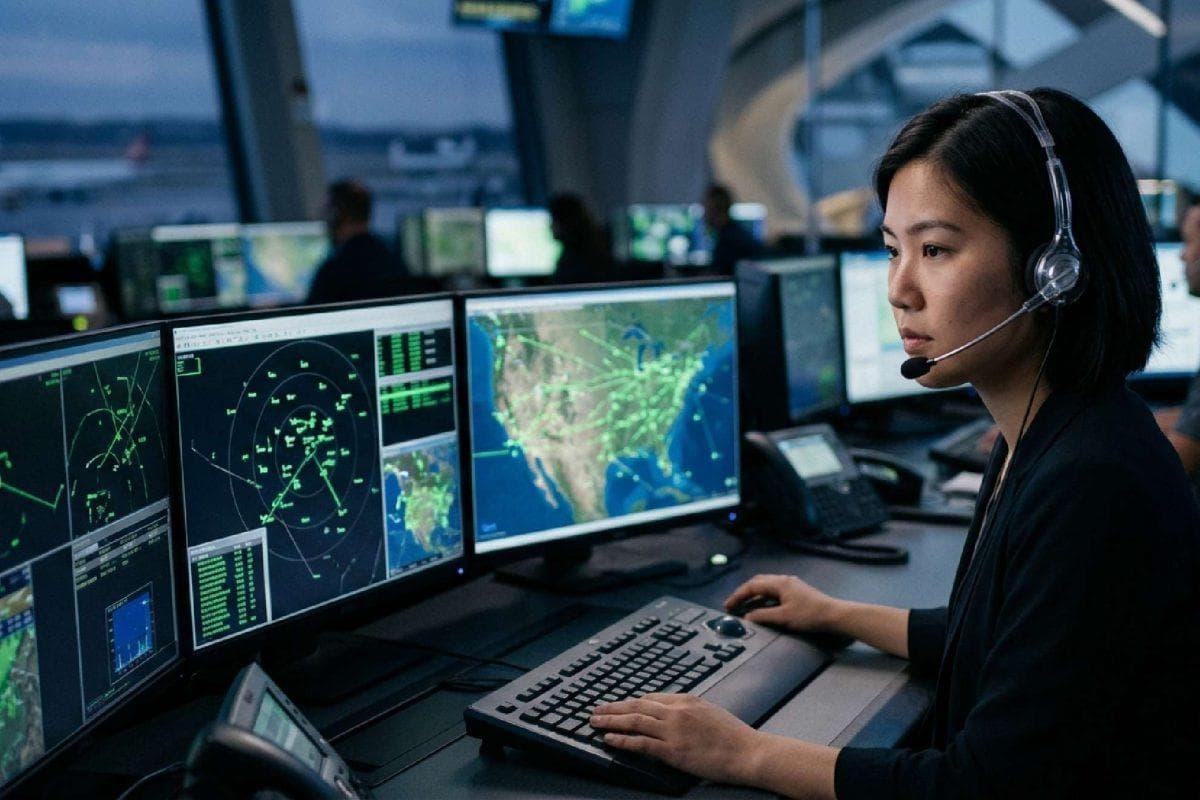
According to the Associated Press, the outage affected all 22 Air Route Traffic Control Centers that direct aircraft traveling between regions of the United States. Controllers at these facilities coordinate aircraft movements, communicate instructions to pilots and help maintain safe separation.
When communications become unreliable, controllers may not be able to manage normal traffic safely. The FAA restricted departures as a precaution. Transportation Secretary Sean Duffy confirmed that technicians were investigating the problem.
This was not simply a weather-related airport delay. It involved communications infrastructure supporting air traffic control operations across the country. The exact technical failure had not been publicly established in the initial reports.
Is It a Cyberattack on the US?
There was no confirmed evidence that a cyberattack caused the FAA telecommunications outage in the initial public reporting. Mullin said there was no indication yet of a deliberate or “nefarious” attack and described the known issue as a telecommunications outage.
That statement was an early assessment, not a final technical finding. FAA technicians were still investigating, so the underlying cause had not been established. The careful distinction is that officials reported an outage and no indication of an attack; they did not publicly identify the specific equipment, network or failure responsible.
Telecommunications outages can arise from different causes, including equipment or network failures, damaged connections, software problems, configuration errors or malicious activity. Investigators need technical evidence before deciding which explanation applies. A major outage alone does not prove that hackers were involved.
Why Are People Connecting the FAA Outage to Cybersecurity?
The incident drew added attention because of existing concerns about aviation cybersecurity. A September 2026 Government Accountability Office report examined cybersecurity risks affecting aircraft communications and the FAA’s aviation systems.
The GAO report discussed spectrum-related threats such as signal spoofing and jamming, and made recommendations to strengthen the FAA’s management of these risks and the security of aviation communication applications.
The report concerns broader cybersecurity vulnerabilities. It does not establish that the November 13 nationwide telecommunications outage was caused by hackers, and it should not be treated as evidence linking the two events. The connection is context, not proof of a cause.
What Happened to the FAA’s 22 Air Traffic Control Centers?
The FAA operates 22 Air Route Traffic Control Centers that manage aircraft moving through different regions of US airspace. They coordinate with airport towers and other facilities so aircraft can follow routes and maintain safe separation.
AP reported that the telecommunications issue affected all 22 centers. The nationwide ground stop restricted departures while technicians investigated. Aircraft already airborne were generally allowed to continue toward safe landings, while international arrivals were handled case by case, according to initial reporting.
The incident showed how dependent US aviation is on communications infrastructure. However, no public finding reviewed for this report established whether a backup system failed or what specific component caused the outage.
Could Hackers Target America’s Aviation Infrastructure?
Cyber interference is a general aviation security concern, but there is no confirmed evidence connecting hackers to this particular outage. Potential risks discussed in the GAO’s broader work include:
- Signal jamming or spoofing: interference can disrupt or mislead some navigation signals.
- Unauthorized access: malicious actors may try to access systems used by airlines, airports or aviation authorities.
- Communication-system vulnerabilities: weaknesses in aircraft communication applications can create security risks.
- Disruption of supporting systems: attacks on operational technology can cause delays and other difficulties.
The GAO report describes potential threats and recommended improvements; these are not confirmed explanations for the November 13 outage. The FAA’s investigation must establish the actual cause.
Is America’s Air Traffic Control System Outdated?
The incident renewed questions about air traffic control modernization. The Associated Press reported that Congress approved $12.5 billion for improvements to FAA air traffic control infrastructure, and that additional investment would be needed to complete the work.
Reliable backup systems, updated communications equipment and effective monitoring matter for aviation safety. But investigators had not established outdated equipment as the specific cause of this outage. Modernization concerns should not be presented as a confirmed explanation for this event.
How Many Flights Were Affected?
The nationwide stop disrupted departures across the US aviation network. Early reporting cited flight-tracking figures showing thousands of delays and cancellations, though totals can change as flights are updated. This article does not assign a final count.
The disruption could also have knock-on effects: an aircraft or crew delayed on one route may be needed for another scheduled trip. Some passengers may therefore experience additional delays or cancellations even after the original restriction ends. Check directly with your airline for flight-specific information.
When Will US Flights Return to Normal?
The FAA’s initial ground-stop advisory extended into Friday night, November 13, Eastern Time. Lifting a ground stop does not automatically restore every airline schedule. The FAA must determine when communications support safe operations, and airlines then need to reorganize aircraft, crews and departures.
Some passengers may continue to experience cancellations and delays on Saturday, November 14, even if departures resume. Recovery depends on the FAA’s operational instructions, communications reliability, aircraft and crew availability, airport capacity and the reorganization of connecting flights.
For current information, monitor the FAA National Airspace System Status and your airline’s notifications.
What Happens Next in the FAA Investigation?
FAA technicians were investigating the communications failure. Important questions include what caused the outage, why it affected multiple centers, whether backup communications were available and what changes could help prevent a similar disruption.
Until investigators establish the technical cause, it would be premature to call the event a cyberattack. Findings may inform future decisions about air traffic control modernization and aviation cybersecurity.
Final Verdict: Was the US Flight Grounding a Cyberattack?
Based on the initial official statements and reporting, a cyberattack had not been confirmed as the cause of the November 13 nationwide flight grounding. Officials described a telecommunications outage affecting FAA air traffic control communications, and Mullin said there was no indication of a nefarious attack at that time.
The investigation remains important to determine what actually failed and how to reduce the risk of similar disruptions. The key takeaway: a telecommunications outage was reported; a cyberattack has not been established as its cause.
For the broader event timeline, read our FAA nationwide ground stop report and our traveler guide to cancellations and flight resumption.
Frequently Asked Questions
Why were US flights grounded on November 13, 2026?
The FAA ordered a nationwide ground stop after a telecommunications outage disrupted communications at air traffic control centers.
Is the US flight grounding a cyberattack?
No cyberattack was confirmed in the initial reports. Homeland Security Secretary Markwayne Mullin said there was no indication of a nefarious attack and described a telecommunications outage.
Did hackers attack the FAA?
Hacker involvement had not been confirmed. FAA technicians were investigating the communications failure.
What caused the nationwide FAA outage?
Officials described it as a telecommunications outage, but the precise technical cause had not been publicly established in the initial reporting.
Were all aircraft grounded?
The order primarily restricted departing flights. Aircraft already in the air were generally allowed to continue toward their destinations, according to initial reports.
Could the FAA outage affect flights on November 14?
Yes. Delays and cancellations could continue as airlines reorganized aircraft, crews and schedules after the disruption.
Where can passengers check US flight updates?
Passengers can check the FAA National Airspace System Status page and their airline’s official website or app.